Songpi: April 12, 2026
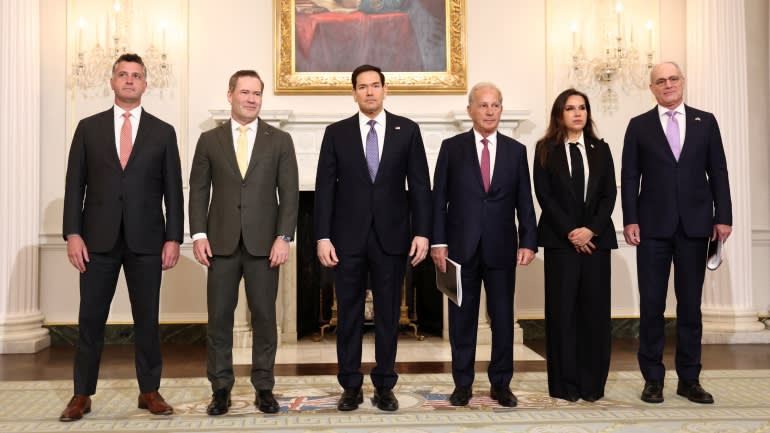
High-level negotiations between the United States and Iran held in Islamabad concluded without a breakthrough after nearly 21 hours of intense discussions mediated by Pakistan.
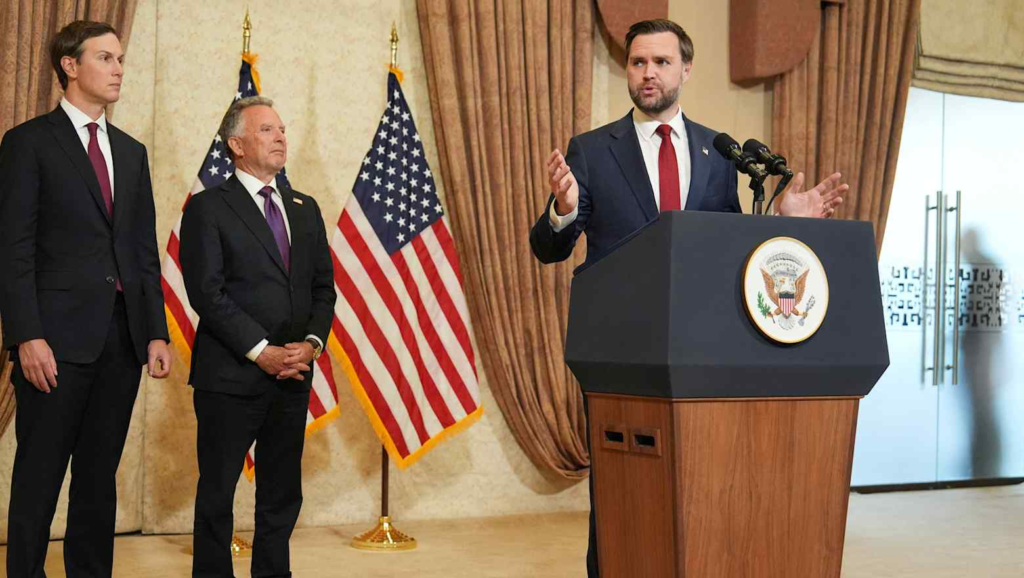
US Vice President JD Vance said Washington had presented its “final and best offer,” but Tehran declined to accept the terms, resulting in a stalemate. He stated that the United States had sought a clear and long-term commitment from Iran to refrain from pursuing nuclear weapons or developing the capability to rapidly produce them — a guarantee he said was not provided.
Vance described the US approach as being in “good faith,” adding that Washington had shown flexibility during the negotiations. However, he acknowledged that both sides failed to bridge key differences. US President Donald Trump also maintained a firm stance, asserting that the United States had already achieved military success and would prevail regardless of whether an agreement is reached.
Iranian officials, meanwhile, attributed the breakdown in talks to what they described as “excessive” and “unlawful” US demands. While noting that agreements were reached on several issues, they said disagreements over critical points prevented a final deal. The talks, they added, took place in an “atmosphere of mistrust,” making a comprehensive agreement unlikely in a single round.
Key issues of contention included Iran’s nuclear programme, sanctions relief, war reparations, and the situation in the Strait of Hormuz. Iranian sources indicated that Tehran is not in immediate urgency to resume negotiations and suggested that future talks would depend on whether the United States presents what it considers a more reasonable proposal.
Pakistan, which hosted and facilitated the discussions, described the talks as “intense and constructive” and urged both sides to uphold the ceasefire. Deputy Prime Minister Ishaq Dar emphasized that maintaining the truce is “imperative” and expressed hope that dialogue would continue. Other international voices, including Australia, also called for restraint and a return to negotiations.
Meanwhile, tensions continue across the region. Israel reported intercepting a drone launched from Lebanon and carried out strikes on what it described as a ready-to-launch rocket system in the south. Smoke was seen rising from Beirut’s southern suburbs, underscoring the fragile security situation despite the ongoing two-week ceasefire.
The developments highlight the risk of further escalation if diplomatic efforts fail to produce a lasting agreement.
🔑 Key Takeaways
- US-Iran talks in Islamabad ended without agreement after prolonged negotiations
- Washington says Iran rejected its “final and best offer” on nuclear commitments
- Iran blames “excessive” US demands; key disagreements remain unresolved
- Pakistan and global leaders urge both sides to maintain the ceasefire
- Regional tensions persist despite a temporary truce