By Kimbawinu Vaiphei,
Kukiland Express Desk
New Delhi: May 2, 2026
After a two-month gap, the Union Ministry of Home Affairs and the Manipur government reopened dialogue with Kuki insurgent groups under the Suspension of Operations pact on Friday, marking the first such meeting since Chief Minister Y. Khemchand Singh’s elected government was restored on February 4. The talks in Delhi, led by MHA Adviser for North East Ajit Lal and attended by IB officials, Manipur Home Secretary N. Ashok Kumar, and ADGP Ashutosh Kumar Sinha, signal a shift in engagement following years of political flux. The SoO pact, first signed in 2008 with the United Peoples’ Front and Kuki National Organisation umbrella of 24 groups, was re-negotiated under President’s Rule on September 4, 2025, days before Prime Minister Narendra Modi’s visit to the state.
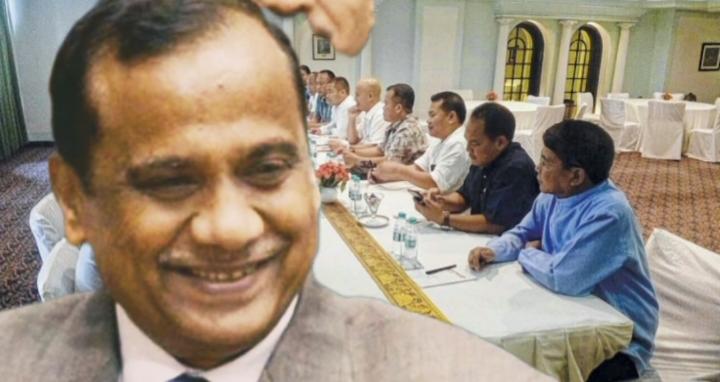
The day-long discussions focused on operational and security issues, with both sides agreeing in principle to relocate certain camps to reduce friction with local populations. The government has asked SoO groups to move seven of the 14 camps, while Kuki representatives said they will consolidate to 12. This adjustment comes amid fresh unrest in Ukhrul district, where Kuki groups reported escalating attacks by Tangkhul armed groups and the burning of multiple Kuki villages over the past month. Since February 7, a new conflict has emerged in the Naga-dominated district between Tangkhul Nagas and Kukis, raising concerns about civilian safety and the effectiveness of current security arrangements.
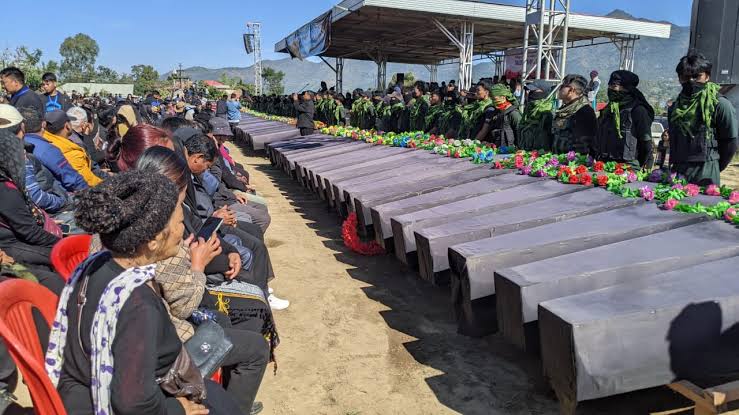
Kuki leaders used the meeting to highlight what they describe as ongoing insecurity for their community in Ukhrul and beyond. They told MHA officials that Kuki people continue to live under constant fear of attacks and that numerous villages have been targeted recently, demanding urgent intervention and confidence-building measures. The groups also raised the issue of accountability, stating that three years after the outbreak of ethnic violence on May 3, 2023, there has been no action against those responsible for violent attacks on Kuki MLAs, government officers, and civilians across Imphal and valley districts including Bishnupur, Imphal East, Imphal West, Thoubal, Kakching, and Jiribam.
The political demand at the center of the talks remains unchanged. Kuki representatives reiterated their call for a Union Territory with a legislature for the hill areas, asserting that a return to the status quo is no longer tenable. This position follows the collapse of the previous SoO extension under the Biren Singh government, which refused renewal on February 9, 2024. The current pact’s renegotiation under President’s Rule reflects a changed administrative context, but Kuki groups maintain that structural political solutions are essential for lasting peace.
Violence continues to claim lives even as talks proceed. At least 11 people have been killed since April 7, with incidents reported in Bishnupur, a Meitei-dominated area, and Ukhrul, where the Tangkhul-Kuki conflict has intensified. The resumption of dialogue with the Manipur government present for the first time since the elected administration returned is being viewed as a critical step, though outcomes will depend on implementation of camp relocation and security assurances. For Kuki communities, the meetings are a test of whether Delhi and Imphal can move from procedural discussions to tangible protection and political settlement.