Edited by Elvish Haokip, Kukiland Express Desk
Songpi: May 16, 2026
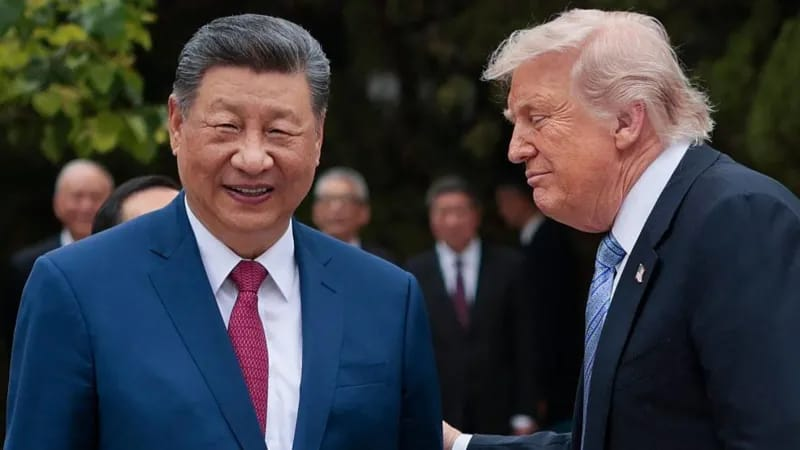
US President Donald Trump concluded a two-day summit in Beijing on May 15, 2026, describing talks with Chinese President Xi Jinping as “very successful” and claiming “fantastic trade deals” were struck, though few details were confirmed by either side. The visit marked Trump’s first state trip to China in his second term.
Trump arrived Wednesday accompanied by a high-profile business delegation of CEOs from agriculture, aviation, electric vehicles, and AI chips. Trade topped the agenda despite ongoing tensions over the Iran conflict, with US firms hoping for concrete agreements and an extension of the tariff truce set to expire in November 2026.
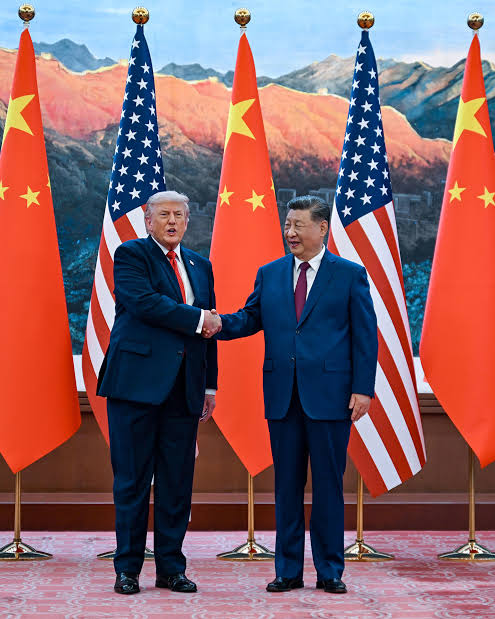
The summit was heavy on symbolism and ceremony. Trump received an honour guard at the Great Hall of the People, attended a state banquet, and was invited to Zhongnanhai, the exclusive compound where China’s Communist Party leaders live and work. Trump later invited Xi to the White House in September, which China’s Foreign Minister Wang Yi confirmed Xi would accept.
Despite the optics, neither Washington nor Beijing announced major breakthroughs. Speaking to reporters aboard Air Force One, Trump said China agreed to buy 200 Boeing jets, with potential commitments for 750 more. Boeing confirmed the deal. Trump also said China would purchase “billions of dollars” of US soybeans, though Chinese officials did not confirm the purchases.
Chinese foreign ministry spokesperson Guo Jiakun said only that the “essence of China-US economic and trade relations is mutual benefit and win-win co-operation,” adding both sides should implement the “important consensus” reached by the two leaders. Questions remain over the October 2025 trade truce, which suspended US tariff hikes while China eased rare earth export limits.
Surprisingly, Trump told reporters he and Xi did not discuss tariffs. The White House said both leaders agreed to establish a “Board of Trade” to manage relations without reopening tariff negotiations. US Treasury Secretary Scott Bessent said he expected progress on a mechanism to support future investment, but officials cautioned that “a lot of work” remains before announcements take effect.
Tech was a key focus. Tesla CEO Elon Musk and Nvidia CEO Jensen Huang were prominent during the welcome ceremony and state banquet. Huang’s presence, despite not being on the original delegation list, fueled speculation that AI and chip access were central to talks. The US maintains export controls on advanced chips to China, which Greer said were not a major summit talking point.
On agriculture, US Trade Representative Jamieson Greer said deals on Chinese purchases of US farm products were “firmed up.” China’s foreign ministry did not confirm new deals but said both sides agreed to maintain stable trade ties. Xi told US business leaders that China’s “doors will open wider” and called for expanded co-operation in trade, agriculture, healthcare, tourism, and law enforcement.
Taiwan emerged as a red line. According to Beijing’s readout, Xi warned that the Taiwan question remains the most sensitive issue in China-US relations. “If mishandled, the two nations could collide or even come into conflict,” Xi said, state media reported. Trump said he listened to Xi’s views but made no direct commitment, adding he wants Beijing and Taipei to “cool down” tensions.
The Iran conflict and Strait of Hormuz blockade were also discussed. Trump said Xi opposed Iran obtaining nuclear weapons and supported keeping the strait open, quoting Xi as saying he would help if possible. China’s foreign ministry called for a “comprehensive and lasting ceasefire” and for shipping lanes to be reopened. Trump departs for Tokyo next, with further US-China talks expected before Xi’s planned September visit to Washington.