Edited by Kimbawinu Vaiphei
New Delhi, May 18, 2026
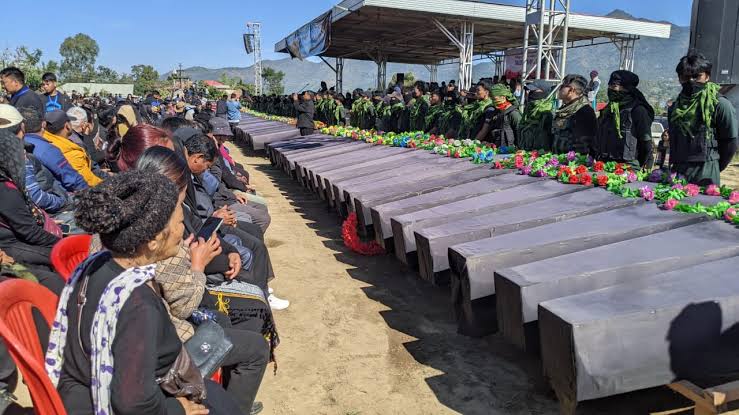
The Indian Christian Women’s Movement has strongly condemned the killing of three Kuki church leaders in Manipur’s Kangpokpi district, describing the May 13 armed ambush that also left four others seriously injured as an alarming signal for the country. The group said the attack reflects the deepening insecurity faced by minorities in the state, where ethnic tensions have persisted since May 2023.
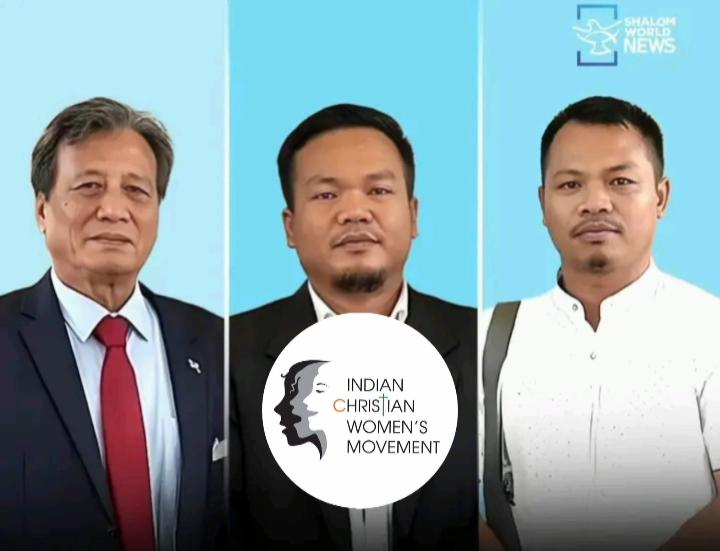
In a statement released on May 16, ICWM noted that the violence gains added gravity against the backdrop of Manipur’s ongoing conflict. National convenor Dr. Susan Thomas and former convenor Ms. Raynah Marise said the organisation “strongly condemn the killing of the Kuki pastors and other leaders of this community.” They added that members share the grief of those affected and stand in solidarity with victims of the incident.
ICWM leaders warned that apprehensions over the safety of minorities in the conflict-ridden state are deeply disturbing. The statement highlighted the vulnerability of ordinary citizens caught in socially engineered violence, and called for urgent steps to protect communities at risk. The group stressed that the May 13 ambush should push both state authorities and civil society to act before more lives are lost.
The movement appealed for reconciliation instead of retaliation. “Instead of countering violence with more violence, people may engage in dialogue that can promote reconciliation between Kuki and Tangkhul Naga communities,” ICWM said. It added that peace becomes possible when people choose to respect differences and see the other not as an enemy but as a sister or brother who is equally vulnerable.
ICWM urged state officials and community leaders to engage constructively to resolve ethnic conflicts and restore peace across Manipur. The group closed its statement with a call for collective responsibility: “May we all become sowers of the seeds of peace instead of hatred, that mutual understanding may grow between individuals, ethnic groups and diverse religious communities.”