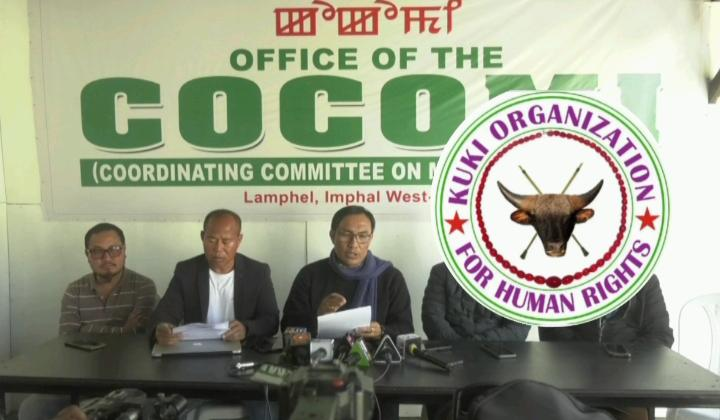
By Ms. Kimneihoi Haokip, Kuki human rights activist
Introduction
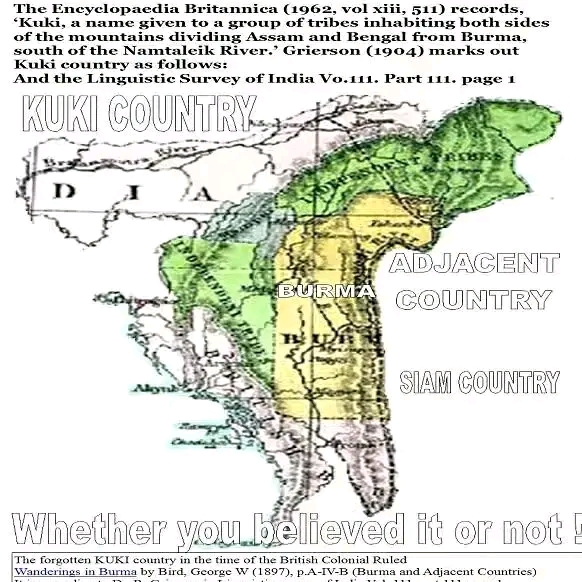
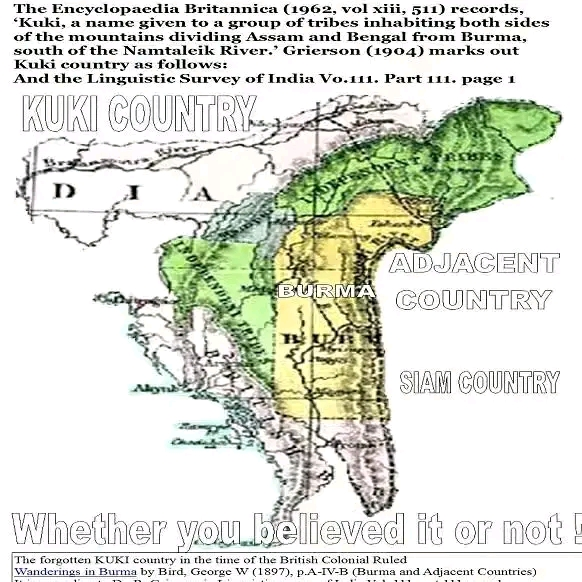
The term ‘Kuki’ appears as early as the 6th-8th century in ancient texts including the Mahabharata and the Tripura Rajmala, affirming the community’s deep historical roots in Northeast India and adjoining regions. By the 16th-17th century, Bengali chroniclers and British colonial writers documented Kuki polities, customs, and territories, establishing their distinct identity in early administrative accounts. In 1904, British authorities formally mapped the “Kuki independent hill country” as Kukiland, recognizing traditional jurisdictions across the present-day India-Myanmar frontier. These records trace a continuous presence and governance structure predating modern nation-states, forming the basis for contemporary claims of heritage, cultural continuity, and territorial legitimacy for the Kuki people.

The Kuki Revolt (1860-1861)
The Kuki Revolt of 1860-1861, led by chief Ratan Pooya, erupted against British expansion and Tripura’s imposition of enhanced levies on hill communities. Drought-induced famine and indebtedness intensified grievances across the Chittagong and Tripura frontier. Kuki warriors, joined by disgruntled Tripura royals and Riang subjects, launched raids into plains settlements, targeting revenue posts and administrative centers. Official reports record 185 deaths and extensive property loss. Captain Raban’s punitive columns destroyed numerous Kuki villages in retaliation. The conflict concluded in 1862 when the British negotiated peace with Ratan Pooya, granting him an annual stipend of ₹400 to ensure stability. Subsequent agreements with other chiefs exposed administrative weaknesses and prompted stronger British border policing.
The Anglo-Kuki War (1917-1919)
From March 1917 to May 1919, Kuki chiefs across Manipur and the Burma frontier resisted British colonial demands in what became the Anglo-Kuki War. The immediate trigger was forced labor recruitment under the Pothang system for World War I supply lines, compounded by increased taxation and interference in customary chieftainship. Using guerrilla tactics in rugged terrain, Kuki forces engaged British Indian Army units in prolonged skirmishes. Despite heavy casualties, the resistance disrupted colonial supply routes for two years. The British called the conflict the Kuki Rebellion, but the Kuki call it the Anglo-Kuki War because, at that time, the Kuki people were independent and the British had no authority over their ancestral land and people. Aftermath included mass arrests, imprisonment of leaders in Kohima Jail, village relocations, and lasting political consciousness.
The Kuki INA (1940s)
During World War II, large numbers of Kukis enlisted in the Indian National Army under Netaji Subhas Chandra Bose, forming what is remembered as the Kuki INA. Motivated by anti-colonial aspirations, they fought alongside Meitei and Naga compatriots as INA divisions advanced into Northeast India through Burma. Kuki soldiers served in logistics, combat, and intelligence roles, viewing the campaign as a path to end British rule over their homeland. While Netaji acknowledged their contribution, post-independence narratives often minimized their role. Recent scholarship and community efforts now document their sacrifices, underscoring how Kuki participation in the INA was an extension of earlier struggles in 1860-1861 and 1917-1919.
The British Map of Kukiland (1904)
The “British Map of Kukiland” refers to two colonial documents. First is Sir George Abraham Grierson’s Linguistic Survey of India, Vol III, Part III, 1904, which gave a text description of Kuki-Chin language distribution: “from the Naga Hills on the north down into the Sandoway District of Burma in the south… from the Myittha river in the east… almost to the Bay of Bengal on the west.” Second is the actual 1904 administrative sheet prepared by Foreign and Political Department surveyors, labeling the tract “Kuki independent hill country” for frontier policing and treaty work. It shaded areas under customary chiefs across Manipur, Mizoram, Tripura, Assam, Chittagong Hill Tracts, and western Myanmar, separate from directly administered plains. No individual draftsman is credited publicly. Modern “Kukiland” maps are reconstructions by Kuki scholars based on Grierson’s text.
The Kuki Nation
The Kuki nation comprises interrelated communities across international borders: the Chittagong Hill Tracts in Bangladesh, Mizoram, Nagaland, Assam, Tripura, Manipur, and western Myanmar. Groups such as the Bawn, Chin, Hmar, and Mizo share linguistic, cultural, and clan ties under the broader Kuki ethnological umbrella. Historical records from the Mahabharata to the Tripura Rajmala situate Kukis in the region since antiquity. British recognition of Kukiland in 1904 codified a territory that functioned with autonomous chiefs and customary law. Successive conflicts like the 1860-1861 revolt and 1917-1919 war demonstrate organized defense of this homeland. Thus, the Kuki nation rests on documented antiquity, territorial contiguity, and sustained political agency.
Conclusion
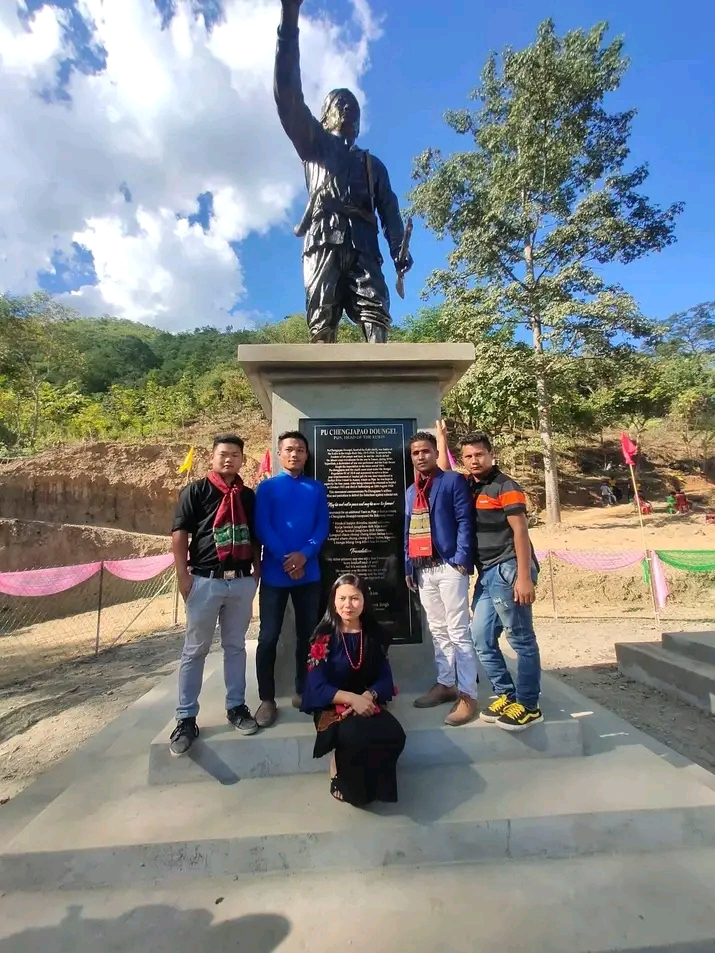
Brothers and sisters of Chin, Bawm, Mizo, Hmar, and related kin, our shared past, ancestral land, and cultural fabric affirm a common Kuki identity beyond modern divisions. Whether embraced or not, historical chronicles, colonial maps, and oral traditions converge on one fact: Kuki is our nation and Kukiland is our heritage. The sacrifices of our forefathers in the revolt of 1860-1861, the war of 1917-1919, and the INA campaigns were made to preserve this legacy. Recognizing this unity strengthens our voice for rights, dignity, and self-determination. May we honor our history with truth, and may God bless the Kuki nation.
Disclaimer: Historical interpretations, territorial narratives, and ethnic identities discussed in this article reflect viewpoints presented in historical writings, oral traditions, and community narratives. Some claims remain subjects of academic and political debate.