3 years since Manipur violence, CoI still silent. 4 deadlines missed, key officials unsummoned, report due May 20, 2026. Kukis cite accountability gap.
Edited by: Kimbawinu Vaiphei, Kukiland Express Desk
Songpi: May 3, 2026
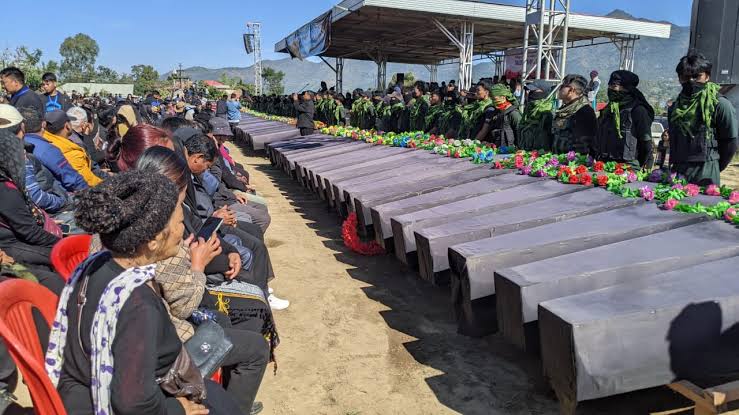
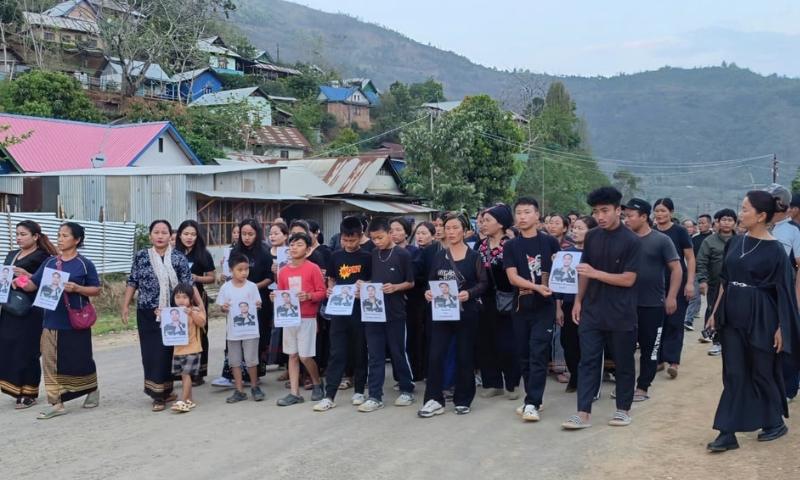
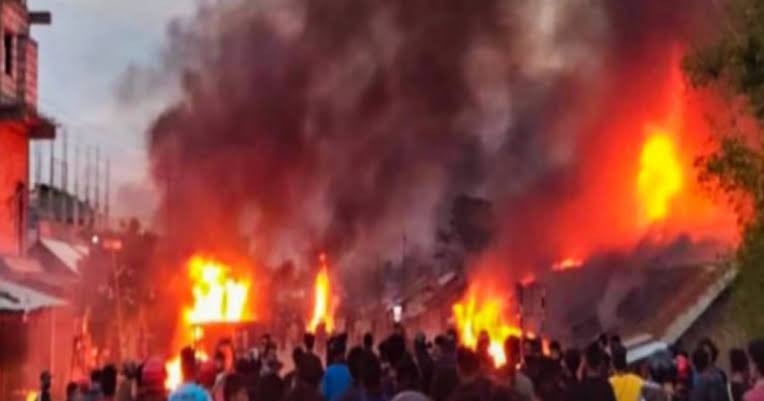
Three years have passed since Manipur descended into ethnic violence on May 3, 2023, but the Centre’s three-member Commission of Inquiry, or CoI, is still silent. Appointed to investigate the causes, sequence, and administrative failures behind the clashes that killed at least 270 people, the panel has missed four deadlines and is yet to file its report. For the Kuki community, the delay has become a symbol of how accountability remains elusive even as the state remains divided.
The Commission was constituted on June 4, 2023, roughly a month after the clashes erupted. As per the government notification, it was mandated to submit its report “as soon as possible but not later than six months from the date of its first sitting.” That timeline has long passed. The panel has received four extensions, with the latest deadline now set for May 20, 2026. Previous deadlines were September 13, 2024, December 3, 2024, May 20, 2025, and December 16, 2025.
According to an official familiar with the matter, the inquiry is still in process and will take more time. Eyewitnesses and victims are being called to New Delhi to record statements. The CoI office in Imphal has already completed its document collection phase, gathering thousands of submissions from both sides. The Commission now faces the task of deciding whom to summon from the large pool of applications received.
The Commission’s members were not available for comment. Officials privy to the matter said the panel had planned to visit Manipur in February but postponed the trip due to a fresh outbreak of violence. Despite the passage of three years, the CoI has not yet recorded statements from key officials who were in charge during the initial phase of the clashes.
People aware of the proceedings confirmed that former police chief P Doungel, former chief secretary Rajesh Kumar, and former chief minister Biren Singh have not been summoned to date. “To identify the dereliction of duty, it is necessary to record their statements because they were in charge of all verticals,” said a second official. The statements, when recorded, will be taken in Delhi as it is considered more feasible for Kuki community members to travel there than to Imphal.
The Commission was tasked with answering four specific questions: the causes and spread of violence, the sequence of events leading to it, lapses or dereliction of duty by responsible authorities, and the adequacy of administrative measures taken to deal with the situation. Its headquarters currently operates from the first floor of a hotel in Imphal, with a camp office functioning at the Major Dhyan Chand Stadium in New Delhi.
Earlier this year, after former chairperson Ajai Lamba resigned on personal grounds, the Centre appointed former Supreme Court justice Balbir Singh Chauhan as the new chairperson. The other two members are retired bureaucrat Himanshu Shekhar Das and retired police officer Aloka Prabhakar. The panel’s composition has changed, but the delays have continued.
Manipur is now under a new government led by Chief Minister Yumnam Khemchand Singh, a Meitei leader. His cabinet includes two deputies, Kuki lawmaker Nemcha Kipgen and Naga lawmaker Losi Dikho, in an attempt to present a unity government. Despite this arrangement, sporadic violence has continued across communities. Last month alone, at least 11 people, including two children and a Border Security Force personnel, were killed in separate incidents linked to Kuki-Meitei and Kuki-Naga clashes.
For the Kuki community, the delay in findings is more than procedural. Three years without answers, without accountability, and without recorded testimony from those who held authority during the violence only deepens distrust. The Commission’s work is meant to establish facts and fix responsibility. Until that is done, the demand for justice and separate administration will remain rooted in the reality that governance on the ground has already split.
DISCLAIMER:
This report is based on available information, official sources, and statements from individuals familiar with the proceedings. The findings of the Commission of Inquiry are still pending, and conclusions regarding responsibility or accountability remain subject to the final report.