Kukiland Express Desk
By Elvish Haokip
New Delhi: May 1, 2026
The Supreme Court on Thursday directed the Kuki Organisation for Human Rights, the petitioner NGO, to submit the ‘first generation copy’ of the full leaked audio tapes allegedly implicating former Manipur Chief Minister N. Biren Singh in orchestrating or inciting ethnic violence during the 2023–2024 conflict. A Bench headed by Justice Sanjay Kumar told the NGO to hand over the primary recording to the national forensic lab, stressing that prior reports on the tapes had returned inconclusive because investigators were given only duplicates. The court observed that it would be “pointless” to send “the copy of a copy of a copy” for forensic analysis, noting that evidentiary value degrades with each replication.
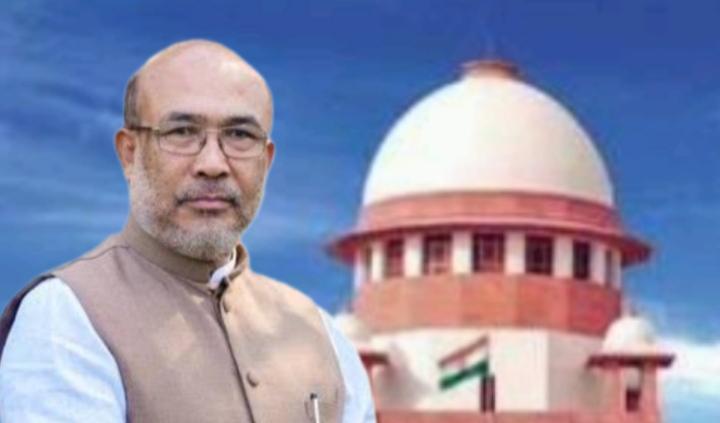
Justice Kumar explained that the “sanctity of the evidence degenerated” every time a copy was made, particularly when it was reproduced from another duplicate rather than the original device. Advocate Prashant Bhushan, appearing for the NGO, told the Bench he would trace and produce the first generation copy of the audio files. He, however, reiterated that the original recording device would not be surrendered, citing the need to protect the whistle-blower’s identity. The court did not insist on the device itself but made clear that forensic experts require the earliest available version to conduct a credible authenticity test.
Additional Solicitor General Aishwarya Bhati, representing both the State of Manipur and the Centre, submitted that the national forensic lab would need six weeks to examine the recording and prepare a conclusive report once the first generation copy is received. The tapes, which surfaced in 2024, purportedly contain conversations linking the former chief minister to the planning or encouragement of violence that engulfed Manipur for months. Earlier forensic checks on secondary copies could not establish whether the audio was genuine, doctored, or synthetically generated, leaving the matter in legal limbo.
The Supreme Court’s latest direction places the onus on the petitioner to provide verifiable material before the lab can proceed. The case has drawn sharp attention in Manipur, where ethnic fault lines remain raw and allegations of high-level complicity are politically explosive. Until a definitive forensic finding emerges, the authenticity of the tapes—and their implications for the former chief minister—remains unproven. The Bench will take up the matter again after the lab submits its report, which is expected to shape the next phase of proceedings into accountability for the 2023–2024 conflict.