By Kukiland Express Desk
Aizawl: April 19, 2026
Mizoram on Wednesday formally rolled out the Houselisting and Housing Census, the first phase of Census of India 2027, with Governor General (Dr) Vijay Kumar Singh (retd) inaugurating the exercise at the Lok Bhavan. The launch marks the state’s entry into India’s first fully digital census, with officials confirming that refugees from Myanmar and Bangladesh, along with internally displaced persons (IDPs) from Manipur, will be included in the enumeration.
Officials from the Directorate of Census Operations and the General Administration Department (GAD) clarified that the inclusion follows the core Census mandate to count all persons residing within the country at a given point of time, irrespective of citizenship status. “This is an exercise for counting people living at this time within the country. It has no linkage with citizenship. Enumeration will be carried out even in relief camps,” the officials said. They added that the data is strictly for statistical purposes and planning.
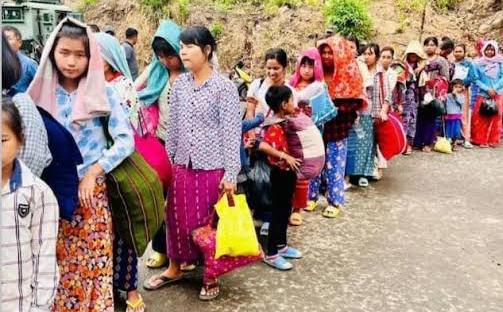
As per official estimates, Mizoram is currently sheltering nearly 30,000 refugees from Myanmar, over 2,000 from Bangladesh, and more than 7,000 IDPs from Manipur who fled ethnic and political unrest. Authorities said counting these populations is necessary because they share public utilities like water supply, electricity, and other civic infrastructure with local residents. Accurate headcounts are vital for resource allocation and service delivery, officials noted.
Launching the drive, Governor Singh called for “utmost diligence and inclusivity” from enumerators and urged that no household be left uncovered. He stressed the need to properly communicate the process to residents who may face difficulties with the digital format, particularly in remote villages and relief camps. Describing Census 2027 as a landmark shift to digital data capture, he expressed confidence in its successful conduct and appealed to the public to extend full cooperation to field staff.
In a symbolic start to the exercise, H Lalremruati, designated Enumerator for the Lok Bhavan, completed the data entry using the self-enumeration ID generated from the Governor’s own self-enumeration conducted on April 7, thereby formally completing his houselisting process. Senior officials present included Municipal Commissioner and Principal Census Officer Joseph H Lalramsanga, and Additional Secretary, GAD, and Additional State Nodal Officer Irene Zohlimpuii Chongthu.
Census 2027 will be conducted in two phases. The first phase, Houselisting and Housing Census, began on April 1, with a self-enumeration window open till April 15. Field-level enumeration will continue from April 16 to May 15 across the state. The second phase, Population Enumeration, is scheduled for February 2027. Officials said the houselisting data forms the foundation for the population count next year.
More than 10,400 people had registered during the self-enumeration exercise, which concluded Thursday. Following the Governor’s enumeration, Chief Minister Lalduhoma was enumerated at his office at 1 PM after completing his self-enumeration earlier this month. Home Minister K Sapdanga and PWD Minister Vanlalhlana were also covered at their residences in the presence of officials from the GAD, Aizawl Municipal Corporation, and the Directorate of Census Operations.
The houselisting schedule records details of housing conditions, amenities, and assets, but does not collect citizenship data. Officials reiterated that the exercise is delinked from the National Register of Citizens (NRC) and is not used to determine legal status. The clarification comes amid public queries on inclusion of non-citizens in relief camps across the state.
Authorities have appealed to residents to cooperate with enumerators during house-to-house visits and provide accurate information. They noted that comprehensive and reliable data is vital for governance, planning, and equitable delivery of public services, especially in a state managing significant refugee and IDP populations alongside its permanent residents.
Edited By: Momoi Haokip
Copyright ©2026 Kukiland Express – All Rights Reserved.