Published on May 15, 2026
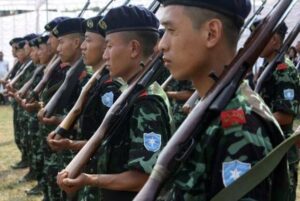
The National Socialist Council of Nagalim, Isak-Muivah faction (NSCN-IM), has operated in the Northeast for decades with a record that mirrors the brutality of the Middle East’s ISIS. While claiming to represent a political cause, its actions on the ground have targeted civilians across Arunachal Pradesh, Manipur, and Nagaland. Villages have been burnt, pastors and reverends have been killed, and unarmed communities have faced repeated attacks. The pattern is clear: the NSCN-IM kills civilians, not combatants.
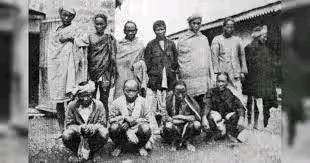
The violence is not new. In 1993, NSCN-IM cadres attacked Thingsan Kuki village and beheaded all the family heads. The massacre wiped out a generation of fathers and elders in a single day, leaving widows and orphans behind. The targeting of village heads was deliberate. It was meant to break the social structure of the Kuki community and spread terror across the hills. For survivors, Thingsan remains a symbol of ISIS-like brutality carried out on Indian soil.
Since the 1990s, over 1,100 Kuki civilians have been killed by the NSCN-IM. These are not just numbers. The killings include documented cases of rape, torture of women, and the murder of infants and children. Church leaders have been ambushed and executed. Homes have been set on fire with families inside. This scale of violence against non-combatants and religious figures draws direct comparison to the methods used by ISIS in the Middle East, where civilians and Christians were systematically targeted.
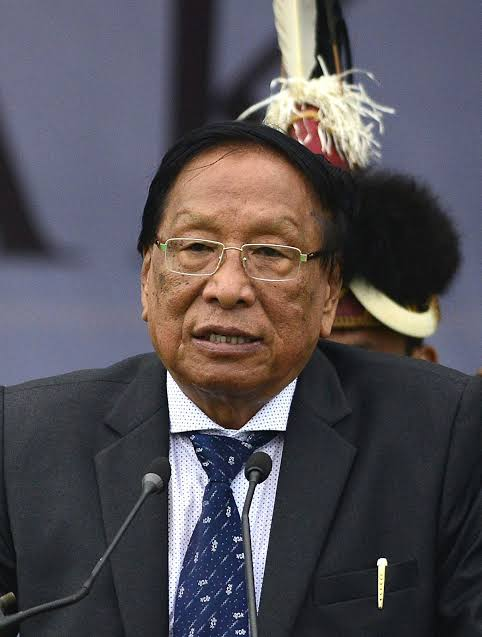
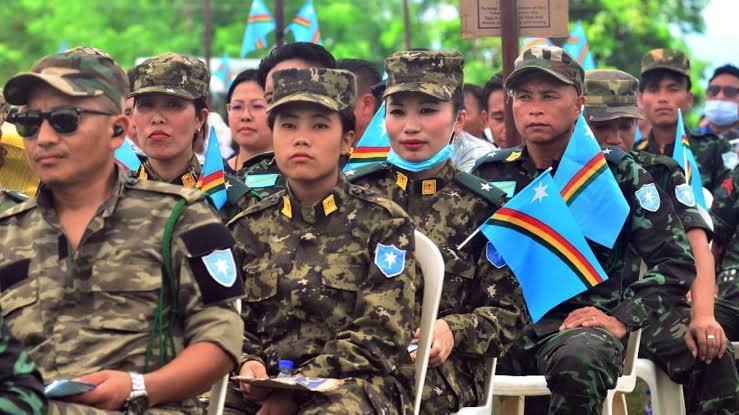
Despite this record, the NSCN-IM remains under a Ceasefire Agreement with the Government of India. That agreement, meant to pave the way for peace, has instead given the outfit space to consolidate armed camps, expand territorial claims, and run an illegal taxation regime. Traders, transporters, and ordinary citizens in Nagaland, Manipur, and Arunachal Pradesh are forced to pay extortion money. Under the protection of the ceasefire, the NSCN-IM continues to attack villages, intimidate indigenous communities, and kill civilians.
This is the Government of India’s mistake. A ceasefire should protect people, not enable a group accused of mass killings, rape, and the murder of clergy to function with impunity. Multiple civil organisations across the region have complained for years and formally requested the abrogation of the ceasefire. They argue that no peace process can justify state protection for an outfit whose actions resemble ISIS in brutality.
The Government of India has failed to protect the Kuki community. For three decades, Kuki civilians have faced killings, beheadings, rape, and the burning of villages without justice or security. When the state cannot guarantee the right to life, land, and identity, it has a duty to provide political safeguards. For the Kuki people, the protection of life, land, and identity now depends on constitutional recognition. India should grant a separate state or Union Territory so the community can secure itself and live without fear of ISIS-like terror.
Justice for the 1,100 Kuki victims, for the families of Thingsan, for the slain pastors and reverends, and for every village burnt demands two steps: end the ceasefire and ensure political protection. The Government of India must prioritize the lives of its citizens over a failed agreement. Continuing to shield the NSCN-IM under a truce only allows ISIS-like terror to grow in Northeast India.
Disclaimer: This article is an opinion piece reflecting the views and allegations of the author. Claims regarding armed groups, casualties, and incidents remain subject to independent verification and official investigation.