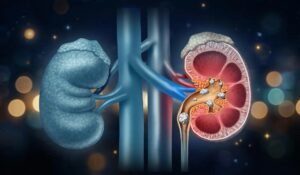
Introduction: Kidney stones, medically called nephrolithiasis, are hard deposits of minerals and salts that form inside the kidneys. They form when urine becomes too concentrated, allowing calcium, oxalate, and uric acid to crystallize and stick together. Stones can be as small as a grain of sand or as large as a golf ball. While small stones may pass unnoticed, larger ones cause severe pain in the back and side, nausea, vomiting, and burning urination. Understanding the causes is the best way to prevent recurrence. If you have symptoms, please consult a healthcare professional.
Why Kidney Stones Are High Among Kuki Society
In Kuki society, most families are farmers and jhum cultivators who work 8 to 10 hours under the hot sun. They sweat heavily but drink very little water, often just one bottle for the whole day, sometimes directly from hill streams or borewells which are very hard and rich in calcium. This chronic dehydration and hard water leads to highly concentrated urine, which is the primary background for stone formation in our villages. The problem that was rare in our parents’ time has now become common even in youth aged 20-30.
The second major reason is the drastic change in farming practices. Twenty years ago, our forefathers used organic jhum with cow dung, ash, and compost. Today, almost every household uses high doses of chemical fertilizers like Urea, DAP locally called Diamond, Potash called Haal, NPK, SSP, and pesticides like Paraquat, Glyphosate, and Imidacloprid to grow vegetables faster. These chemicals are often sprayed without gloves or masks, and vegetables are harvested within 2-3 days of spraying. Cheap fertilizers also contain heavy metals like cadmium, which can damage kidney tubules and cause calcium to leak into urine.
The third reason is what reaches our plate. All vegetables now available in our local markets – antam, beans, cucumber, brinjal, and chilli – are grown with chemicals and contain high nitrate and pesticide residue inside. Plain washing with water for a few seconds does not remove these oil-based chemicals. When we eat this food daily, kidneys must filter these residues constantly. Combined with high salt intake from dried meat and fermented foods and low intake of citrus fruits, our urine becomes acidic and low in protective citrate. This combination of dehydration, chemical food, and an unhealthy diet is why kidney stones and kidney damage are rising so fast in Kuki farming communities today.
Causes of Kidney Stones – 10 Points
- Dehydration: Not drinking enough water is the number one cause. When urine volume is low, minerals become concentrated and crystallize to form the initial core of a stone that grows over time.
- High Sodium Diet: Excess salt from processed foods, pickles, papad, and fast food increases calcium excretion by the kidneys. High calcium in urine significantly raises the risk of calcium-based stones.
- High Animal Protein Diet: Eating too much red meat, organ meat, poultry, and eggs increases uric acid and makes urine more acidic while lowering citrate, which normally prevents stone formation.
- High Oxalate Foods: Foods like spinach, beetroot, nuts, chocolate, and black tea are rich in oxalate. Excess oxalate binds with calcium in the kidneys to form calcium oxalate stones, the most common type.
- Family History and Genetics: If your parents or siblings have had kidney stones, your risk is higher. Genetics affects how your kidneys handle calcium and oxalate.
- Obesity: Being overweight changes urine pH and increases the excretion of calcium, oxalate, and uric acid. This metabolic imbalance creates a favorable condition for stone formation.
- Certain Medical Conditions: Hyperparathyroidism, gout, inflammatory bowel disease, and recurrent urinary tract infections can alter urine chemistry and lead to different types of stones.
- Certain Medications and Supplements: Long-term use of calcium-based antacids, high-dose Vitamin C, and some diuretics and seizure medicines can increase stone-forming minerals in urine.
- Low Citrate Levels: Citrate is a natural stone inhibitor. A diet low in citrus fruits or certain kidney problems can cause low urinary citrate, allowing crystals to stick together.
- Hot Climate and Low Urine Volume: People who work in hot, dry climates sweat more and urinate less. This chronic low urine output leads to highly concentrated urine and a higher stone risk.
Prevention of Kidney Stones – 10 Points
- Drink Plenty of Water: Drink 2.5 to 3 litres of water daily to produce 2 to 2.5 litres of urine. Your urine should be light yellow or clear. This dilutes minerals and flushes out crystals.
- Reduce Salt Intake: Limit salt to less than 1 teaspoon or 2300 mg per day. Avoid packaged snacks, fast food, and extra salt on food. Lower sodium reduces urinary calcium.
- Eat Calcium With Meals: Do not avoid calcium. Get 1000-1200 mg daily from milk, curd, and paneer with meals. Dietary calcium binds oxalate in the gut and prevents it from reaching the kidneys.
- Limit High Oxalate Foods: If you form calcium oxalate stones, eat high-oxalate foods in moderation and always pair them with a calcium source to reduce oxalate absorption.
- Cut Down on Animal Protein: Limit red meat to one serving per day. Choose plant proteins like dal and beans more often to reduce acid load and uric acid.
- Increase Citrus Fruits: Add lemons, oranges, and mosambi daily. They are rich in citrate, which prevents crystals from binding. A glass of fresh lemon water daily is very protective.
- Avoid Sugary Drinks and Cola: Avoid colas with phosphoric acid and drinks with high-fructose corn syrup. They increase calcium and uric acid. Choose water or coconut water instead.
- Maintain a Healthy Weight: Exercise for 30 minutes daily and maintain a healthy weight. Avoid crash diets and high-protein keto diets, which can increase stone risk.
- Stop Using Too Much Chemical Fertilizers and Pesticides: Reduce the use of Urea, DAP, Potash, Paraquat, and Glyphosate. Return to organic methods like cow dung, compost, and ash. Chemicals damage kidney tubules directly and leave heavy metals that cause calcium loss in urine.
- Avoid Vegetables Grown With Heavy Chemicals: Avoid market vegetables grown with high chemicals. Prefer home-grown organic vegetables. If buying from market, soak vegetables in salt and warm water for 15-20 minutes, then wash thoroughly with clean water to remove chemical residue as much as possible. Avoid vegetables harvested within 2-3 days of spraying.
Conclusion
Kidney stones are not just a medical problem but a lifestyle and environmental issue. While genetics and climate play a role, the main causes – dehydration, high salt intake, unhealthy diet, and exposure to chemical residues – are preventable. For the Kuki farming community, a return to safer farming practices, drinking adequate clean water, washing vegetables properly, and eating more citrus fruits and less salt can greatly reduce this rising burden. Awareness is the first medicine. If early symptoms like flank pain or burning urination appear, consult a doctor immediately instead of ignoring it. With small changes in daily habits and farming, we can protect our kidneys and the health of the next generation.