Introduction
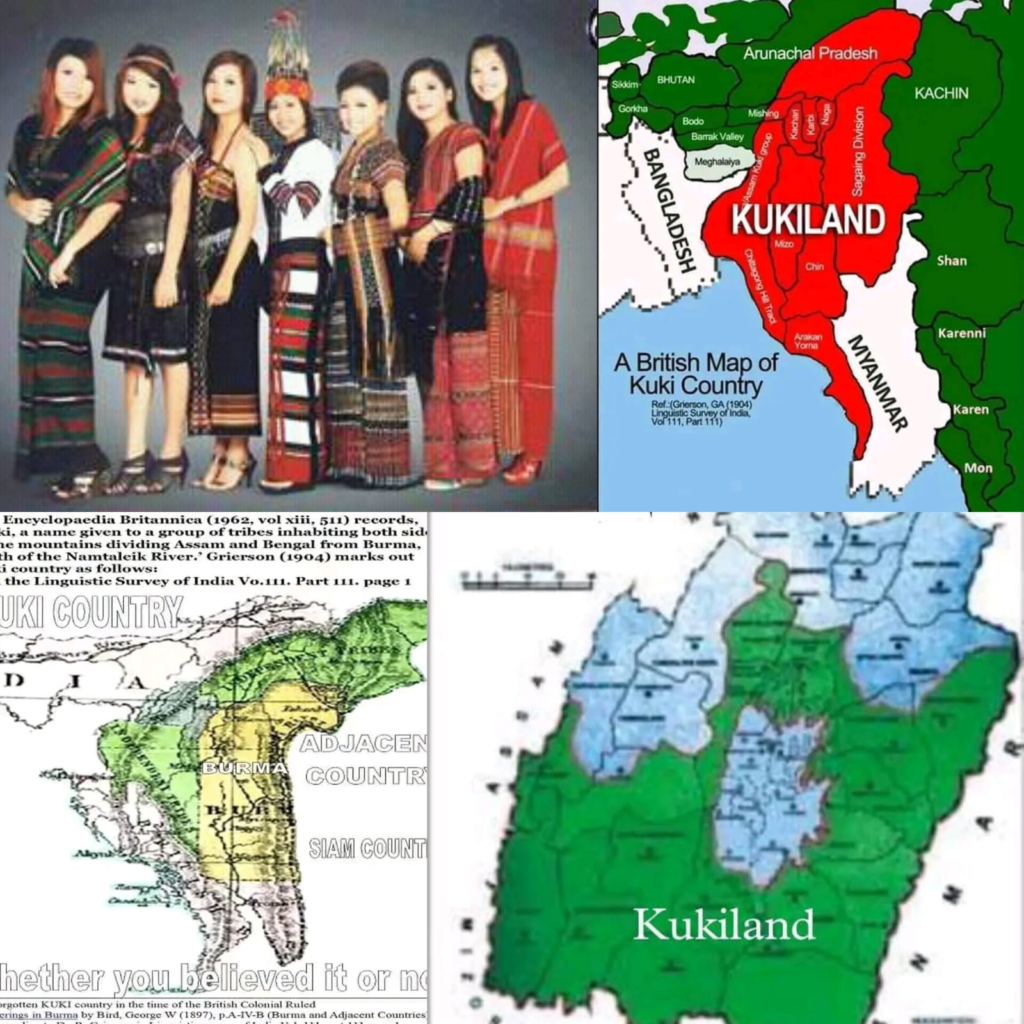
The name ‘Kuki’ dates back to 6th-8th century in ancient texts like Mahabharata & Tripura Rajmala (Royal Chronicle), highlighting the rich heritage and long-standing presence of the Kuki people. In 16th-17th century, Kuki history was recorded by Bengali & British writers, providing early colonial accounts of the Kuki identity. Later, in 1904, the British mapped Kukiland (Kuki independent hill country) and recognised it, solidifying Kuki territory in historical records.
The Kuki Revolt (1860-1861)
The Kuki Revolt (1860-1861) was a major uprising led by Ratan Pooya against the British and Tripura state. Increased taxes on hill tribes, drought, and debt led to widespread discontent. Kukis, aided by disaffected Tripura royals and Riang subjects, attacked Tripura and British territories, looting villages and killing 185 people. British forces, led by Captain Raban, retaliated, destroying Kuki villages. The revolt ended with the British striking a deal with Ratan Pooya in 1862, offering him ₹400 annually to maintain peace. Agreements were also made with other Kuki chiefs. The revolt highlighted the weak governance of Tripura and led to British intervention in border security.
The Anglo-Kuki War (1917-1919)
The Anglo-Kuki War (1917-1919) was a significant uprising by the Kuki people in Northeast India (Manipur/Burma frontier) against British colonial rule. Sparked by forced labor (Pothang system) for WWI, heavy taxation, and British interference in traditional leadership, the war involved fierce battles, guerrilla warfare, and heavy losses on both sides. Kuki fighters resisted British forces (including Indian soldiers) from March 1917 to May 1919. Often termed the “Kuki Rebellion”, the war is seen as a struggle for freedom, self-determination, and dignity – a glorious chapter of resistance despite military loss. The war led to severe repercussions for Kukis, including imprisonment of leaders (Kohima Jail) and displacement, but fostered a strong anti-colonial identity. A crucial part of Northeast Indian history, it highlights indigenous resistance to imperialism, centering the Kuki experience of fighting for identity and land against colonial power.
The Kuki INA (1940s)
The “Kuki INA” refers to the Kuki people’s participation in the Indian National Army (INA) during WWII, fighting for India’s independence against British rule. Led by Netaji Subhas Chandra Bose, the INA advanced into Northeast India, and many Kukis joined, seeking liberation from colonial rule. Alongside Meiteis and Nagas, Kukis showcased anti-colonial spirit. Their contribution is acknowledged by leaders like Netaji Subhas Chandra Bose, but often overshadowed in mainstream history. Efforts highlight their sacrifices and forgotten heroism. The “Kuki INA” was a vital chapter where Kukis fought alongside Japanese to oust British, a legacy celebrated by some as a proud part of India’s freedom struggle.
The Kuki Nation
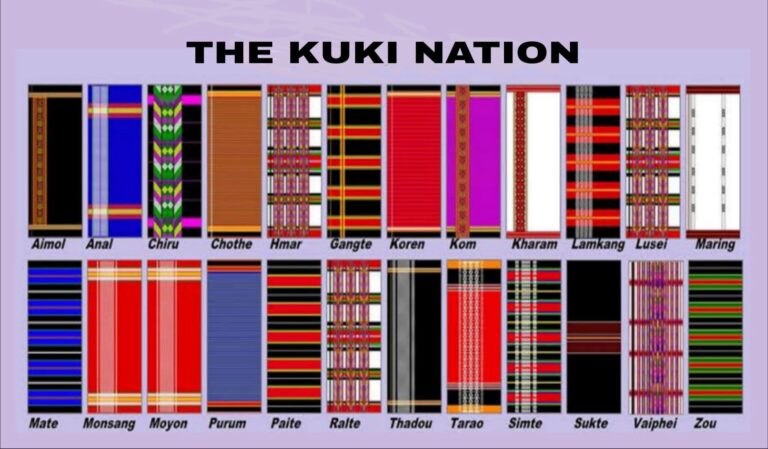
The Kuki community encompasses tribals living in the Chittagong Hill Tracts (Bangladesh), Mizoram, Nagaland, Assam, Tripura, Manipur, and Western Myanmar, including the Bawn, Chin, Hmar, and Mizo communities. The Kuki nation has existed since long before the British arrived in India. Ancient texts like the Mahabharata and Tripura Rajmala (Royal Chronicle) in 6th-8th century document the Kuki presence in the Northeast region. In 1904, the British recognized the Kuki independent hill country as Kukiland. Our forefathers fought valiantly in defense of our homeland, notably in the Kuki Revolt (1860-1861) and the Anglo-Kuki War (1917-1919). These conflicts underscore our commitment to sovereignty and self-determination. The Kuki nation possesses a well-documented history and territorial claim.
Conclusion
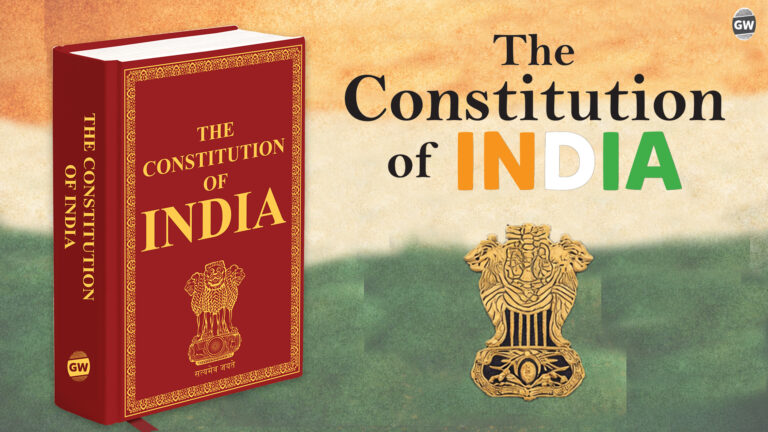
Dear Brother & Sister, from Chin, Bawm, Mizo/Zo, Hmar, Zomi, etc., behold, whether we accept it or not, our history, land, culture tell us that Kuki is our nation and identity. The history and land proved that Kuki is our nation and Kukiland is our land. God bless Kuki nation.