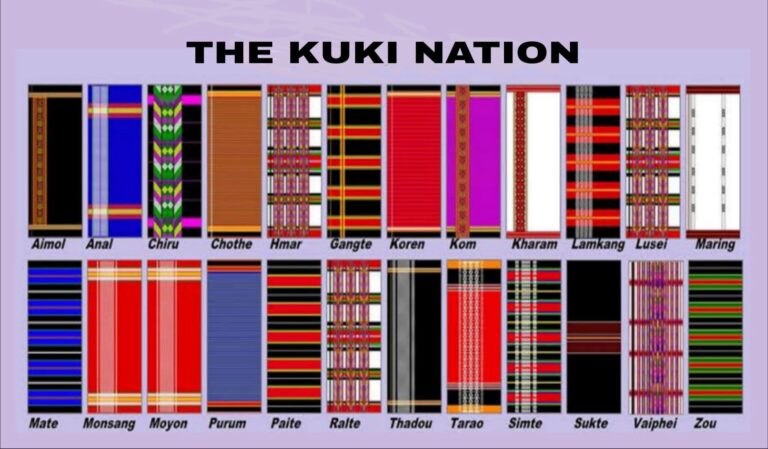
To call the Kuki a refugee community is not a mistake. It is a direct challenge to the Kuki people, to our land, to our history, and to our identity. We are not strangers in Manipur. We are sons of the soil. We are indigenous to these hills. We have the will and we have the strength to defend our land and protect our people. Any attempt to brand us as outsiders is an attack on who we are, and we will not accept it in silence.
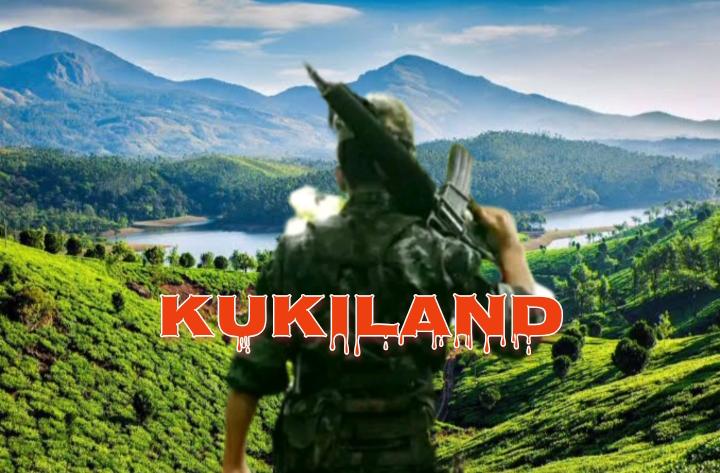
Kukis have lived in the hills of Manipur since the 6th and 7th centuries, long before modern borders and colonial maps. Our villages, our chiefs, our customs, and our graveyards are woven into this land. Our presence is not recent. It is ancient. Our history is recorded in stone, in song, and in the names of our hills. To erase that is to erase the truth of Manipur itself.
We have shed blood for this land. Kukis fought for Manipur against invaders and aggressors. We fought for India’s independence and took up arms against the British government. We stood with our Mizo brothers for statehood. Our sacrifices are part of the region’s freedom story. A people who fought for the country cannot be called foreigners in the country they helped build.
Yes, Manipur faces a real problem of refugees and illegal immigrants. The Meitei are right to be vigilant about border security and demographic change. After the 1990s, conflict in Myanmar pushed people across the border. Like the Manipur Nagas, the Kuki too have seen some illegal immigrants enter. That problem must be dealt with under the law. The state has every right to identify and act against undocumented entrants.
But vigilance must be honest. It must not become a weapon to target an entire indigenous community. Calling all Kukis refugees because some recent migrants share an ethnicity is a direct threat. It blurs the line between sons of the soil and post-1990s arrivals. It denies 1,400 years of Kuki history in Manipur and turns neighbors into suspects. That is not border security. That is historical fraud.
No one has the right to take Kukiland. This is our ancestral land, inherited from our forefathers. We will not be displaced, dispossessed, or driven out of the hills we have held for centuries. Our identity is not a gift from the state. It is a fact proven by time, sacrifice, and survival. To label us refugees is to insult our dead and endanger our living.
If the Meitei want peace, they must learn to live with their Kuki neighbors in truth, not in malice. Distinguish between indigenous Kukis and illegal immigrants. Apply the law to those without documents, but do not rewrite history to deny a people their place. A people cannot be secure under a government or a narrative that denies their existence. The demand for dignity, security, and separate administration flows from this reality. We were here first. We remain here still.
DISCLAIMER: This article is an opinion piece and reflects the views of the author. The perspectives expressed do not necessarily represent the position of the publication. Readers are encouraged to consider multiple viewpoints and refer to verified sources for factual information.