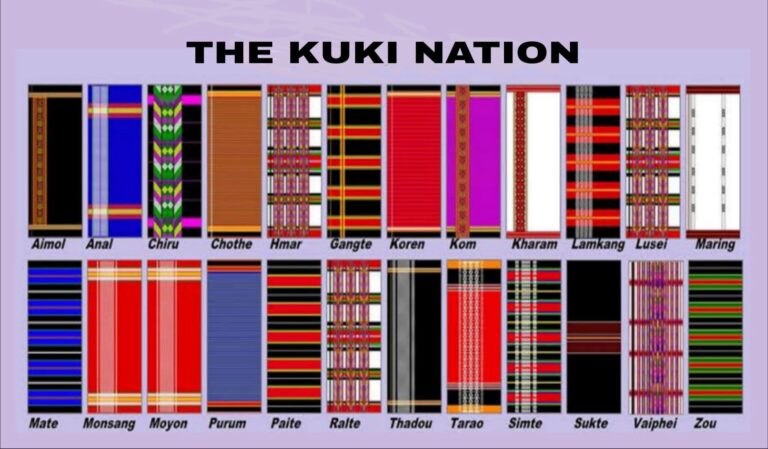
During the 1960 Mizo National Front uprising, nearly 100 Kuki men from Manipur gave their lives fighting for what was then a shared struggle. In the Indian Army’s counter-insurgency response, over 10 Kuki villages were razed to ash, homes and granaries destroyed, women subjected to sexual violence, and entire communities displaced. Despite this, more than 300 Kukis of Manipur under the leadership of Pu Demkhoshiek Gangte still joined the MNF ranks, shouldering arms and risking extinction for a cause that promised dignity. Some may choose to forget this blood debt, but we carry it in our history, our graves, and our living memory.
The idea that “If Mizo identity is accepted, there will be help. If not accepted, there will be no help” is not the language of kinship. It is the language of conditional aid, of political leverage dressed as brotherhood. True brotherhood does not bargain over names. It does not place a price on solidarity or demand self-erasure as the entry fee for support. It does not say, “Become us, or we abandon you.” Real alliance endures difference — of dialect, of custom, of history — and finds strength in it. Unity built on ultimatums is not unity at all. It is assimilation by another name, and it betrays the very sacrifices that once bound our peoples together.
We who live in the Chittagong Hill Tracts, Western Myanmar, and the Northeast region of India are called Kuki. That name is not a modern invention. In history, in politics, and in land, we are Kuki. Our villages, our customs, our wars, and our peace treaties all bear that name. It is the thread that ties our scattered people together across borders drawn by others.
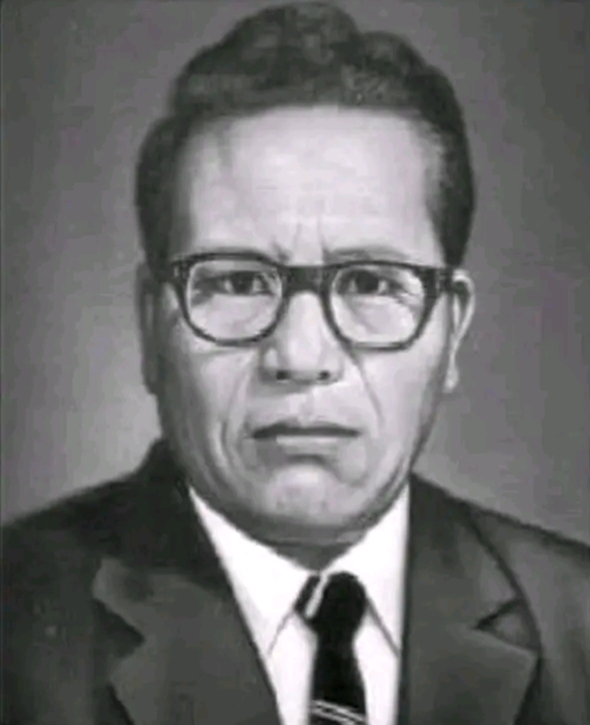
File Photo:: (Late) Pu Demkhoshiek Gangte, Kuki leader who led over 300 Kuki volunteers from Manipur in the Mizo National Front during the 1960 uprising.
The name Kuki was not given by the British or the Bengalis. Its roots run far deeper, long before colonial maps were drawn. References to the Kuki people appear in ancient texts dating back to the 6th and 7th centuries, including mentions in the Mahabharata and the Tripura Rajmala. This history affirms that Kuki is not a borrowed label or a recent invention, but an identity carried through centuries of recorded tradition and lived continuity. Mizo is a newer identity, not more than 75 years old, while Kuki traces back 2,000 years.
Recognising Kuki history is not about pride alone — it is about political and cultural survival. When a name is erased, the land claims, treaties, and ancestral records tied to that name are weakened. Our forefathers fought wars under the Kuki banner, signed agreements as Kuki chiefs, and defended territory as Kuki people. To abandon that name is to sever ourselves from the legal and historical evidence of our existence. Identity is not just memory; it is documentation, legitimacy, and the right to be heard in national and international forums.
Kuki identity also binds a people divided by modern borders but united by kinship, language, and custom. From the Chittagong Hill Tracts to Mizoram, from Manipur to Myanmar, Kuki clans share oral histories, genealogies, and festivals that predate colonial rule. This continuity has allowed us to endure displacement, conflict, and state neglect. If we surrender the name that carries this shared legacy, we fragment not just politically but spiritually. Recognition of Kuki identity is recognition of a living civilization — one that predates many of the states that now seek to rename it.
If we are to survive as a people, our unity must be rooted in mutual respect, not forced assimilation. The sacrifices of our forefathers were not made so that future generations could be told to abandon their name for help. We are Kuki by history and by right. Let solidarity mean standing together as who we are, not as who others wish us to be.