India has failed to protect the Kuki community, and that failure is written in the most gruesome bloodshed this democracy has chosen to ignore. What we are enduring today is not a mere ethnic clash; it is systematic persecution — torture, beheading, rape and mass killing — which is more cruel, more inhuman and more gruesome than the killings of Christians in the Middle East by ISIS that horrified the world.
Look at the record that India refuses to acknowledge. From 1993 till today, more than 1,100 Kukis have been slaughtered by Tangkhul Kacha-Naga militants — the NSCN-IM and its proxy ZUF-Kamson. In the Joupi massacre of September 1993, around 115 Kukis were lined up and beheaded, more than 360 villages were burnt, and over one lakh people were displaced — yet not a single commander has been jailed. These killers live in designated ceasefire camps funded by Delhi, while our survivors still carry bullets in their bodies and FIRs that have never become chargesheets.
Since May 3, 2023, history has repeated itself with a second face of terror. More than 250 Kukis have been killed by Meitei mobs aided by Manipur state forces. Our people were burnt alive in Imphal, more than 300 churches were razed, our women were paraded naked and gang-raped on camera, and our people were beheaded and their heads put on display. Farmers working in their jhum fields beside their wives were shot with dozens of rounds — unarmed, defenceless, and only trying to grow food.
This is why I say it is more gruesome than ISIS. When ISIS beheaded Christians in Syria and Iraq, the world called it terrorism, the United Nations intervened, and armies hunted them down. When Kuki Christians are beheaded, when Kuki pastors are slaughtered, when Kuki women are raped inside churches and burnt alive, India calls it an “ethnic conflict” and imposes an economic blockade on the victims. For two months, Kacha-Naga groups blocked food and medicine to Kuki areas with zero arrests, while our village volunteers were disarmed and left defenceless.
In the hills of Manipur, the pattern is identical: guns against ploughs, militants against farmers. An insurgency that cannot face security forces but opens fire on farmers in their fields takes no risk — it takes revenge on the weakest to empty the hills through fear. This is not warfare; it is ethnic cleansing by intimidation.
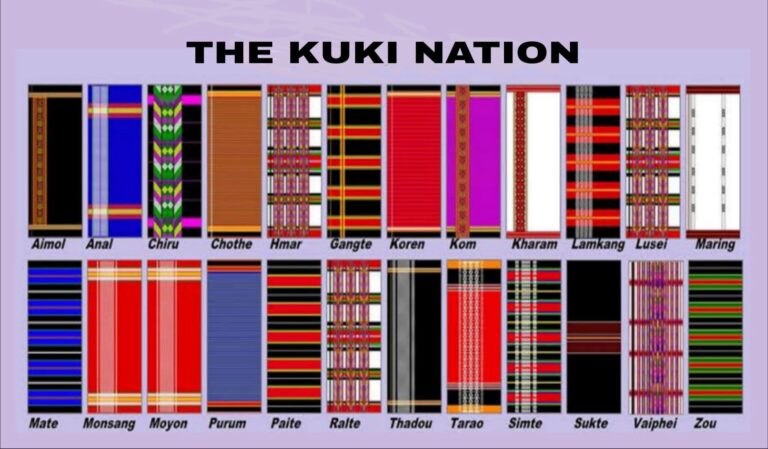
India has watched and done nothing. Article 21 guarantees the right to life, but who protects the Kuki? Not the state that leads the mob, not the Centre that appeases ceasefire militants. Our culture is branded as foreign, our history as defenders of India in the Anglo-Kuki War of 1917-1919 is erased, and our identity as indigenous hill people is criminalized as “refugee”.
Therefore, I make a direct and urgent appeal to the USA, the UNO and the international community. When India has failed to stop ISIS-style beheadings and the rape of Christians in Manipur and the Naga hills, it becomes your moral duty to speak. We appeal to the United States Congress and the State Department to designate this targeted persecution as a severe violation of religious freedom and to impose accountability. We appeal to the United Nations Human Rights Council, the UN Special Rapporteur on Minority Issues and the International Criminal Court to send a fact-finding mission to Kuki areas, document the massacres since 1993, and deliver the justice that Delhi has denied for 33 years.
We appeal to the global Church and to all human rights defenders — if you wept for Christians killed by ISIS in the Middle East, weep now for Kuki Christians killed more gruesomely in India. Do not let strategic partnership silence genocide. Impose sanctions on the perpetrators, demand an independent international investigation into the 1,100-plus killings by Naga ethnic armed groups and the 250-plus killings by Meitei majoritarian forces, and pressure India to grant us what it has already granted others — protection through political self-determination.
Our demand is therefore not secession; it is survival. Only a separate State or Union Territory for the Kukis under the Constitution of India, guaranteed and monitored by the international community, will give us our own police to protect our villages, our own courts to punish our killers, and our own administration to teach our children who we are. India must now choose — to protect its loyal Kuki citizens with dignity, or the world must choose to protect us when India will not.