Introduction
The Kuki–Meitei ethnic conflict in Manipur, ongoing since May 2023, has displaced over 60,000 people and claimed 200+ lives. Rooted in land rights, ST status demands, and historic distrust, violence persists amid segregated districts and buffer zones. Critics argue India’s delayed, security-first response failed to address core grievances. With Nagas watching closely over territorial claims, the risk of a tri-ethnic war now threatens the entire Northeast.
India’s Responsibility – Delayed Intervention
Since violence erupted in May 2023, central forces were deployed late, allowing mobs to torch villages unchecked for days. Despite Article 355, decisive action lagged while internet bans and curfews replaced political outreach. The delay entrenched Kukis and Meiteis in separate enclaves, deepened militia influence, and fueled perceptions of bias. Reactive FIRs and visits after mass casualties eroded trust in India’s neutrality.
India’s Responsibility – Political Manipulation
New Delhi’s framing of the crisis as a law-and-order breakdown sidelines ethnic land and identity disputes driving the violence. Selective suspensions of operations agreements, leaked audio controversies, and competing political narratives have deepened polarization. Many Kukis view state leadership as partisan, while Meiteis resent central inaction on poppy drives. This perceived manipulation blocks impartial mediation and sustains the conflict.
India’s Responsibility – Lack of Dialogue
Over two years into the crisis, no sustained trilateral dialogue exists between Delhi, Kuki, and Meitei leaders. Ad-hoc meetings and backchannel talks haven’t produced a roadmap. Kukis demand separate administration before talks; Meiteis reject territorial division. Without India creating a neutral, time-bound political process addressing core demands like ST status, land, and security, armed actors fill the vacuum.
The Naga Factor
Nagaland’s NSCN factions and Manipur’s Naga tribes have largely avoided direct involvement but watch closely. Naga areas border Kuki and Meitei zones, and contested land in Ukhrul, Noney, Senapati, and Tamenglong creates flashpoints. If Naga groups perceive threats to territory or are pulled into alliances, Manipur’s two-way conflict risks becoming a three-cornered ethnic war, collapsing existing ceasefires and destabilizing the entire Northeast.
Possible Outcomes – Wider Regional Instability
Naga entry would link Manipur’s violence to Nagaland, Assam, and Myanmar’s Chin State, where ethnic ties exist across borders. Militant recruitment, arms flow, and refugee movement would surge. Economic corridors like NH-2 and NH-37 could shut permanently. India’s Act East Policy would stall as the Northeast becomes an active conflict zone, inviting external actors and prolonged instability.
Possible Outcomes – Breakdown of Peace Processes
The 2015 Naga Framework Agreement remains unresolved. Naga groups cite India’s Manipur handling as proof of Delhi’s divide-and-rule tactics. If drawn into conflict, NSCN-IM may abandon talks, citing bad faith. Years of fragile ceasefires would unravel, reviving insurgency in Nagaland and spreading to Arunachal. India’s credibility as a negotiator across the region would suffer lasting damage.
Possible Outcomes – Humanitarian Crisis
Tri-ethnic clashes would multiply displacement beyond the current 60,000 IDPs, overwhelming camps in Mizoram, Assam, and Nagaland. Blockades would cut food and medicine, while hill-valley segregation hardens. Sexual violence, child recruitment, and civilian targeting risks would spike. With three communities fighting, UN agencies and aid access would face extreme hurdles, deepening a preventable humanitarian catastrophe.
The Way Forward – Three-State Solution Overview
Proponents argue bifurcating Manipur is the only way to end competing claims over land and identity. With Kukis in hills, Meiteis in Imphal Valley, and Nagas in northern hills already segregated since 2023, formal recognition could reduce friction. Separate states mean separate budgets, police, and legislatures, ending zero-sum battles over quotas, MLAs, and district boundaries fueling violence.
A Meitei State in the Imphal Valley
A Meitei-majority state would cover the valley districts, securing political dominance and cultural protection Meitei groups demand. It ends fears of land alienation and demographic change from hill migration. With full control over state subjects, Meitei leaders could pursue ST status internally. Critics warn it legitimizes ethnic segregation, but supporters see it as acknowledging ground realities post-2023.
A Kuki State in the Hill Areas
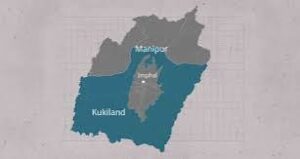
Kuki groups seek a separate administration or state covering Churachandpur, Kangpokpi, Pherzawl, Chandel, and Tengnoupal districts. This would grant legislative power over land, customary law, and policing, ending reliance on Imphal. Kukis argue only political autonomy guarantees safety after targeted attacks. Delhi worries about precedent, but backers say status quo partition already exists via buffer zones.
A Naga State Integrating Naga Areas
Naga areas in Ukhrul, Senapati, and Tamenglong could integrate with Nagaland or gain autonomous status. This fulfills long-standing Naga integration demands and prevents future spillover into Manipur’s conflict. It delinks Nagas from Kuki–Meitei disputes, securing peace talks. Opponents cite Manipur’s territorial integrity, but advocates claim redrawn boundaries reflect ethnic geography, preventing wider war.
Conclusion
Manipur’s 2023–2026 crisis shows military deployments cannot replace political settlement. With Kukis demanding separation, Meiteis opposing division, and Nagas guarding territorial interests, India’s reactive approach risks drawing Nagas in and collapsing regional stability. Reorganizing Manipur into three ethnic states offers a controversial but clear path: recognizing ground realities, ending zero-sum governance battles, and building permanent architecture to prevent wider ethnic wars across the Northeast.