Three years into the Manipur crisis, the outcome of relying on force is clear. Search and cordon operations, area domination patrols, and continuous deployment of central forces have not restored normalcy. Villages remain deserted, relief camps are still crowded, and key highways stay blocked by distrust. Security measures can restrict movement, but they cannot repair fractured relationships or address the root causes that triggered violence in May 2023. The longer Delhi depends on force alone, the deeper the alienation becomes.
The human toll of this approach is well documented. Civil society groups cite official figures of more than 240 deaths, over 400 villages destroyed, and 40,000 people displaced. For families in camps, each new cordon operation feels like harassment, not protection. When political grievances are met with a military response, it signals that the state views an entire community’s demands as a law-and-order problem. That is why security operations have failed to deliver peace.
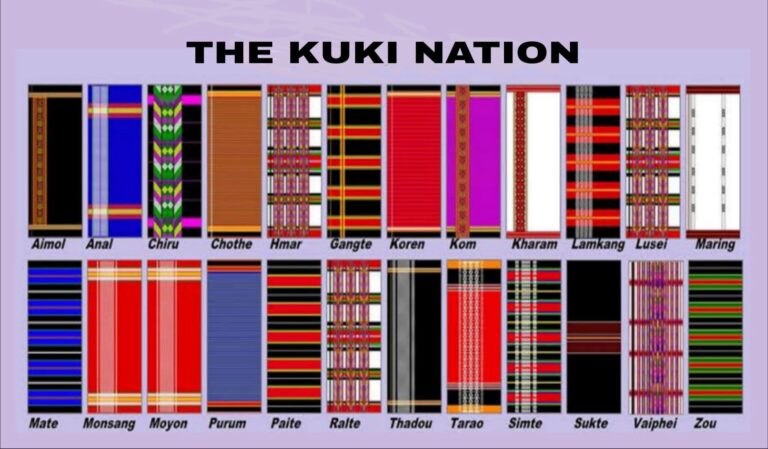
The crisis in Manipur is fundamentally political. It revolves around land, identity, autonomy, and equitable access to resources and opportunities. The Kuki demand for a separate administration or Union Territory with a legislature reflects a complete breakdown of trust in the current system. No combing operation can answer that demand. The Meitei and Naga communities also hold historical claims and anxieties. These issues require dialogue, constitutional guarantees, and institutional reform, not more checkpoints.
Security operations without a political roadmap create a self-defeating cycle. Raids breed suspicion, suspicion hardens resistance, and resistance is then used to justify further raids. In the process, the state erodes the legitimacy it needs to govern. Young people raised in relief camps do not see the state as neutral when their homes are searched while perpetrators of killings and arson remain free. Selective enforcement undermines faith in the Constitution and the rule of law.
The Centre’s strategy has also broadened the conflict. By deferring a political settlement and managing the crisis through security alone, New Delhi has allowed distrust to spread. Communities that stayed neutral in 2023 are now being pulled into confrontations because there is no time-bound framework for justice and coexistence. A security-first approach does not end violence. It freezes it in place and guarantees the next outbreak.
History shows that lasting peace comes from political settlements. The 1986 Mizoram Peace Accord ended two decades of insurgency through statehood and constitutional safeguards, not indefinite operations. The Bodo and Karbi accords in Assam prove that autonomy within the Union can address identity-based demands. Manipur needs similar political imagination: structured talks with all stakeholders, a concrete rehabilitation plan, and a constitutional arrangement that secures dignity for Kukis, Meiteis, and Nagas alike.
For the Kuki people, a political settlement means a separate administration that ends governance by a system they no longer trust. It means safe return and resettlement, justice for the dead and displaced, and safeguards against future majoritarian dominance. For Manipur as a whole, it means rewriting the social contract so that no community must choose between survival and citizenship. These are political responsibilities. They cannot be outsourced to the military.
The Modi government faces a clear choice: continue operations that manage symptoms or commit to a settlement that treats the underlying cause. The people of Manipur do not need another patrol or barricade. They need an agreement that restores their rights, homes, and future. Peace cannot be enforced at gunpoint. Until Delhi accepts that, the camps will stay full and the conflict will stay open.
The division between the Kuki, Meitei, and Naga communities in Manipur runs deep. It is shaped by history, contested land boundaries, and distinct identities that predate India’s formation in the 1940s. These fault lines cannot be erased by security forces. Only a political solution grounded in recognition, justice, and constitutional safeguards can address grievances that have accumulated over generations. Without it, no amount of patrolling will heal Manipur.