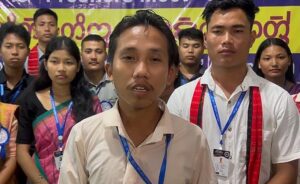
Itanagar: The Tripura Chakma Students Association (TCSA) has appealed to the Government of India to grant Union Territory status to the Chakma-inhabited areas in Arunachal Pradesh, urging authorities to follow the Constitution in dealing with the long-pending Chakma-Hajong issue.
During a press briefing, the association strongly objected to describing Chakmas as refugees or “Bangladeshis”. TCSA stated that the Chakma community was officially settled and rehabilitated by the Government of India in the erstwhile North-East Frontier Agency (NEFA), now Arunachal Pradesh, between 1964 and 1969 under a planned rehabilitation programme.
While pushing for administrative rights and a separate Union Territory for the areas they inhabit, the student body acknowledged that Chakmas are not indigenous to Arunachal Pradesh. The association said that despite this, their historical rehabilitation and present circumstances, including decades of residence, should be considered while addressing the issue.
TCSA and allied groups also strongly opposed any proposals by the state government to displace or relocate the Chakma and Hajong communities outside of Arunachal Pradesh. The association said such moves would violate constitutional rights and create further humanitarian and administrative complications.
The association further called for official duties and administrative processes related to the community, including documentation and welfare measures, to be allowed to continue without interference. It appealed for a peaceful approach to resolving differences surrounding the Chakma and Hajong communities.
According to TCSA, the demand for Union Territory status adds another dimension to the continuing debate over the political and constitutional status of Chakma-inhabited areas. The association said an administrative arrangement under direct Central administration would ensure constitutional safeguards and development.
The association called upon all stakeholders, including the Centre, state government and indigenous groups, to respect constitutional provisions and address the matter through peaceful and democratic means, avoiding inflammatory labelling and forced displacement.