Manipur has been caught in a cycle of violence where the killing of civilians, armed cadres, or security personnel is treated as a strategy. This approach has failed. For over three years, operations and counter-operations have only deepened mistrust, displaced thousands, and left communities more entrenched in their positions. India must know that force cannot resolve what is fundamentally a political and territorial question.
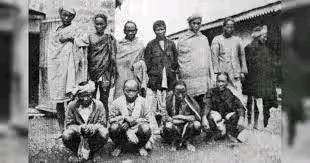
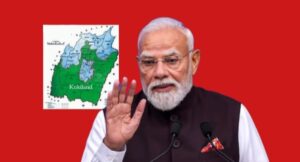
The state of Manipur is home to three major indigenous peoples: Kuki, Naga, and Meitei. Each has a distinct land, culture, administrative history, and political aspiration. Forcing them into a single administrative framework without addressing their core demands has created constant friction. The current arrangement is like keeping three lions in one mountain. Conflict is inevitable when territories, identities, and governance overlap without consent.
The Kukis live in the hill districts and have demanded a separate administration under Article 239A since violence erupted in May 2023. They cite targeted killings, destruction of villages, and a complete breakdown of trust in the state machinery. For them, physical separation is now tied to survival and dignity. No amount of security deployment can restore a social contract that has already collapsed.
The Meiteis, concentrated in the Imphal Valley, seek protection of their land, culture, and political representation. They argue that demographic change and hill-valley divides threaten their identity. Their demand for Scheduled Tribe status and preservation of territorial integrity reflects a deep anxiety about the future. Dialogue without addressing these fears will not hold.
The Nagas have been in political negotiation with the Government of India for decades. The Framework Agreement of 2015 acknowledged their unique history and situation. Their demand for integration of Naga areas and a separate flag and constitution remains unresolved. Until the Naga political issue is settled, Manipur cannot find lasting peace.
Security-centric policies have treated the symptoms but ignored the disease. The killing of a Kuki village volunteer like Lenminsang Haokip by COBRA forces, or retaliatory attacks by armed groups, only adds to the list of martyrs for each community. Every death becomes a rallying point for further mobilisation. India must recognise that military victories on the ground do not translate to political legitimacy.
The three peoples are separated in land, culture, and boundary. Trying to administer them under one state against their will has produced endless conflict, displacement, and human rights violations. The Centre has managed ceasefires with Nagas, imposed President’s Rule, and deployed over 60,000 troops, yet peace remains distant. This proves that the problem is not law and order. It is constitutional and political.
India needs to recognise this reality and act decisively. Granting three states or Union Territories for Kuki, Meitei, and Naga areas is the only way forward in the region. It respects the distinct identity of each people, ends the contest over land and power, and allows each community to govern itself with dignity. Without political solutions, Manipur will remain a theatre of violence. With political courage, India can turn it into a model of coexistence through separation.