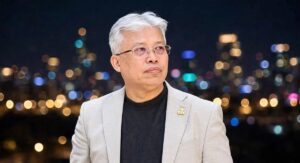
Imphal: Manipur’s Inner Manipur MP and Jawaharlal Nehru University (JNU) professor Angomcha Bimol Akoijam has finally responded to the growing controversy surrounding sexual harassment allegations against him, strongly denying media reports that claimed 11 students had gathered at his JNU residence and asserting that the truth will emerge through legal process.
In a detailed clarification issued on September 20, Akoijam reacted to reports aired by two national news channels which alleged that he had hosted a private social gathering of 11 students at his official JNU residence. He categorically denied the claim, stating that only two students from the Northeast, who belonged to the last batch he taught, had visited his home. According to him, the two had come to assist him with some academic work and later joined him, his wife and his staff for dinner. He described them as “decent, sincere and gentle students” whom he knows well personally, and emphasized that neither of them has raised any complaint against him.
The MP, who is also a prominent academic, said the allegations that are being circulated are unverified and unproven, and termed their publication without due verification as unethical journalism. He had earlier criticized what he called a “media trial” against him, arguing that selective leaks and sensational reporting were damaging his reputation before any inquiry was completed. In his latest statement, he reiterated that stance, saying, “Court will find out. Just wait and watch,” indicating his faith in the due process of law and institutional mechanisms to determine facts.
The controversy stems from complaints reportedly filed by 11 JNU students against Akoijam, alleging inappropriate conduct and remarks during academic interactions, including viva examinations and other encounters on campus. The nature of the complaints, which have not been made public in full, has led to widespread debate within the university community. The JNU administration has referred the matter to its Internal Complaints Committee (ICC), which is the statutory body mandated to inquire into sexual harassment complaints under the Prevention of Sexual Harassment (POSH) Act. The university has said the ICC inquiry will be conducted as per prescribed rules and statutory procedures.
The issue has escalated beyond the campus after student groups and activists demanded a time-bound and transparent inquiry, questioning the pace and handling of the proceedings. Several student organizations at JNU have staged protests and issued statements calling for accountability and protection of complainants, while also urging the university not to allow political influence to affect the inquiry. At the same time, supporters of Akoijam have argued that he is being targeted due to his outspoken political views on Manipur and the Northeast.
Taking note of the matter, the Delhi Commission for Women (DCW) has sought a detailed report from JNU regarding the complaints lodged against Akoijam and the action taken by the university so far. The Commission has asked the university to provide information on the status of the ICC proceedings, measures taken to ensure safety of complainants, and compliance with POSH guidelines. This intervention has added further pressure on the university administration to expedite the inquiry and ensure transparency.
Angomcha Bimol Akoijam, who was elected as Congress MP from Inner Manipur in the 2024 Lok Sabha elections, is known for his academic work on social sciences and his vocal stand on the Manipur conflict. His dual role as an MP and a professor has brought additional national attention to the case. In previous responses, he had rejected the harassment allegations outright, calling them baseless and politically motivated, and had appealed to the public to wait for the inquiry report rather than believing in unverified media narratives. His latest denial about the 11-student gathering is seen as an attempt to counter what he believes is misinformation being spread to discredit him.
As of now, the matter remains under inquiry. The ICC has not yet made its findings public, and no charges have been proven in a court of law. Legal experts note that under Indian law, allegations of sexual harassment must be examined through due process, with protection for both complainants and the accused. The university administration has assured that it will act based on the ICC’s recommendations and in accordance with law. Until then, the case continues to draw sharp reactions from academia, political circles and civil society, both in Delhi and Manipur, with all eyes on the outcome of the inquiry and subsequent legal proceedings.