
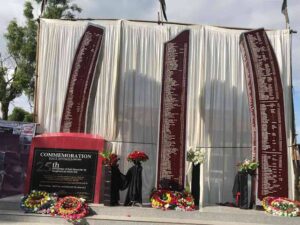
The 1993 Kuki and Tangkhul Kacha-Naga ethnic conflict led to the tragic demise of over 1,100 Kuki civilians, comprising women, children, and elderly individuals, at the hands of the NSCN-IM militants. A glaring concern is that the NSCN-IM militants have, to this day, not dared to face Kuki armed groups, instead continuing to target and kill Kuki civilians. This devastating toll underscores the extreme vulnerability of non-combatants during the violence.
Reports indicate that the NSCN-IM, a well-trained militant group equipped with sophisticated weapons, deliberately targeted Kuki civilians, precipitating widespread destruction and displacement. The group’s actions have been met with widespread criticism, and their ceasefire agreement with the Indian government has been called into question. The NSCN-IM’s violence against Kuki civilians is particularly striking given their professed Christian faith and the allegations of disseminating fake news and propaganda. The group’s leadership, including Th. Muivah, has been accused of orchestrating these atrocities, raising serious concerns about their intentions and accountability.
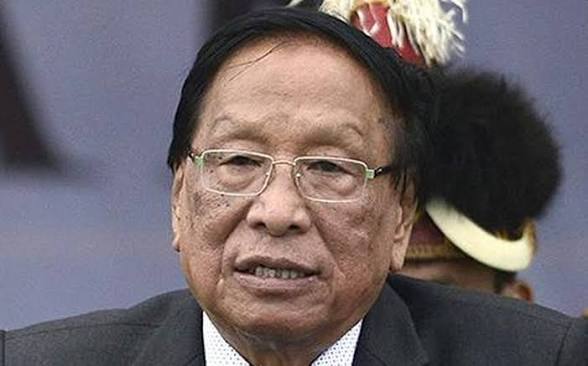
File photo: Thuingaleng Muivah, General Secretary, National Socialist Council of Nagaland – Isak Muivah (NSCN-IM)
The NSCN-IM’s actions have been characterized by one-sided violence against Kuki civilians, with impunity. Despite the Kuki community’s persistent demands for justice, the Indian government appears to have turned a blind eye, betraying the trust of the Kuki people. The ongoing neglect has fueled deep-seated resentment and frustration among the affected communities, who seek recognition and redress for the injustices suffered.
The NSCN-IM’s actions have significantly contributed to the complex security dynamics in Northeast India, where multiple militant groups operate. The situation underscores the need for a nuanced approach to address the root causes of the conflict and promote lasting peace. It is imperative to acknowledge the Kuki community’s concerns and work towards a resolution that ensures accountability and promotes reconciliation.
The lack of accountability for the NSCN-IM’s actions has emboldened the group, perpetuating a cycle of violence and impunity. Raising awareness about the plight and advocating for justice are crucial steps towards creating a more stable and peaceful environment for all communities involved. The Kuki community’s quest for justice remains a pressing issue, and it is essential to address their concerns and work towards a resolution that ensures accountability and promotes reconciliation.
The Kuki community continues to wait for justice, with the hope that their voices will be heard and their concerns addressed. The passage of time has only served to underscore the urgency of the situation, and it is imperative that all stakeholders work towards a resolution that brings closure to the affected families and promotes lasting peace in the region.
Taking advantage of the ceasefire agreement with the Indian government, the NSCN-IM attacked, raped women, and killed Kukis and Zeliangrong civilians in Manipur, Nagaland and Arunachal Pradesh. The media houses in the northeast should declare the NSCN-IM cadres equivalent to the ISIS terrorists in the Middle East who brutally persecuted Christians, for their cruelty, atrocities and violence against humanity.
The current conflict between Tangkhuls and Kukis was started by the Tangkhul side, who moved first to escalate tensions at the community level. Tangkhul groups and cadres aligned with NSCN-IM began targeting Kuki villages in border areas of Manipur, using threats, illegal taxation, and armed intimidation to assert control over land and resources. They circulated notices restricting Kuki movement, blocked village roads, and carried out attacks on civilian settlements to create fear and force displacement.
Local CSOs under Tangkhul influence intensified the violence by organizing shutdowns, spreading inflammatory messages, and mobilizing youth to confront Kuki residents in mixed areas. These steps were taken to provoke retaliation and expand territorial claims, turning local disputes into sustained community-level violence. The pattern shows deliberate initiation: first economic pressure and psychological threats, then direct armed action against Kuki civilians, followed by coordinated social boycotts to isolate Kuki villages across the hill districts.

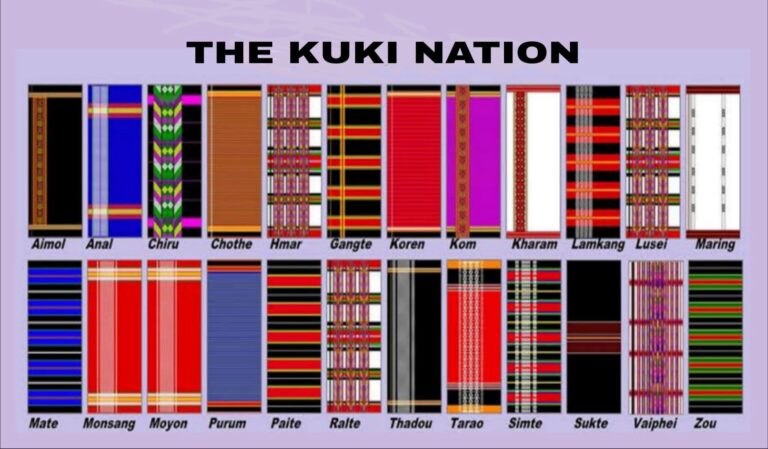
Kukiland Express 👍